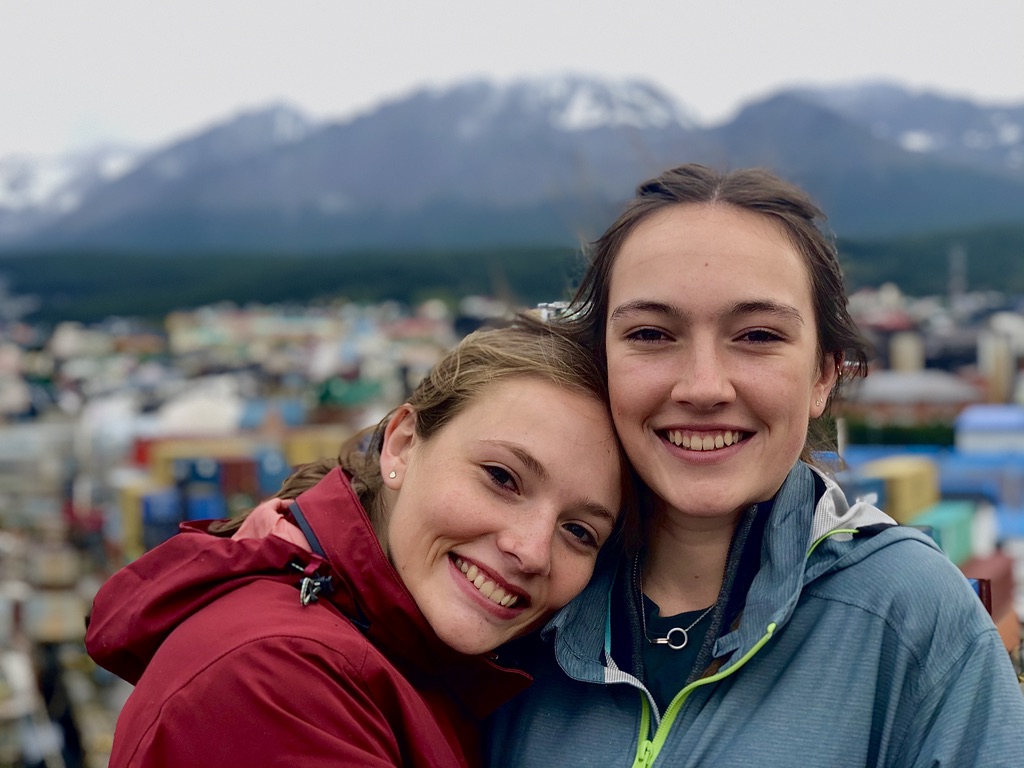
Before I get too stuck into the Antarctic portion of this blog I thought I should draw some attention to the Greg Mortimer and Aurora. Of course they’ve received plenty of attention from the Australian – and international – media during their efforts to repatriate their passengers while stationed off the Uruguayan coast so I won’t dwell on that. I know Aurora markets ‘once in a lifetime trips’ and unfortunately COVID-19 has crushed that opportunity for passengers at the time and for voyages in the near future. I can only speak from my experiences on board the Greg Mortimer which they were overwhelmingly positive and only possible with a crew of highly experienced individuals from all across the globe. I know that the passion and commitment of the team will have driven them to find the best possible solution to protecting their customers from this unfolding pandemic and that Aurora will continue to deliver spectacular adventures across the world’s greatest landscapes.
On a brighter note, welcome to the first Antarctic blog! Its been a highly anticipated moment but we’re finally here. I have mentioned it before but I’ll say it again, the structure of these remaining blogs is going to be a little different, focusing on main activities as opposed to days. That being said, there’s a lot of background info about how we embarked and crossed the Drake Passage and what life was like on board. I’ll break that down into three parts as well otherwise you might be chained to your computer screen for a while! If you’re a complete newbie to cruises like myself then you might find this interesting but even if you’re a seasoned veteran this is a completely different experience.
As we had an extra day in Ushuaia we’d pretty much ticked off all the sightseeing we could do. Aurora had organised a tour of the Old Prison and Maritime Museum late that morning but as we had already visited we decided to do some last minute shopping and photo grabbing. After lunch we met the Aurora team at the Maritime Museum, hopped on a bus and were driven down the hill to our boat. Considering it would’ve been a five minute walk this was total luxury or perhaps this was an indication of the age of the clientele!
One of the crew members grabbed our photo as we boarded and we quickly realised that this would form a passenger directory. Our names and pictures were proudly displayed on one of the central decks and definitely made life a little easier if you had forgotten someone’s name or wanted to have a bit of a stickybeak.
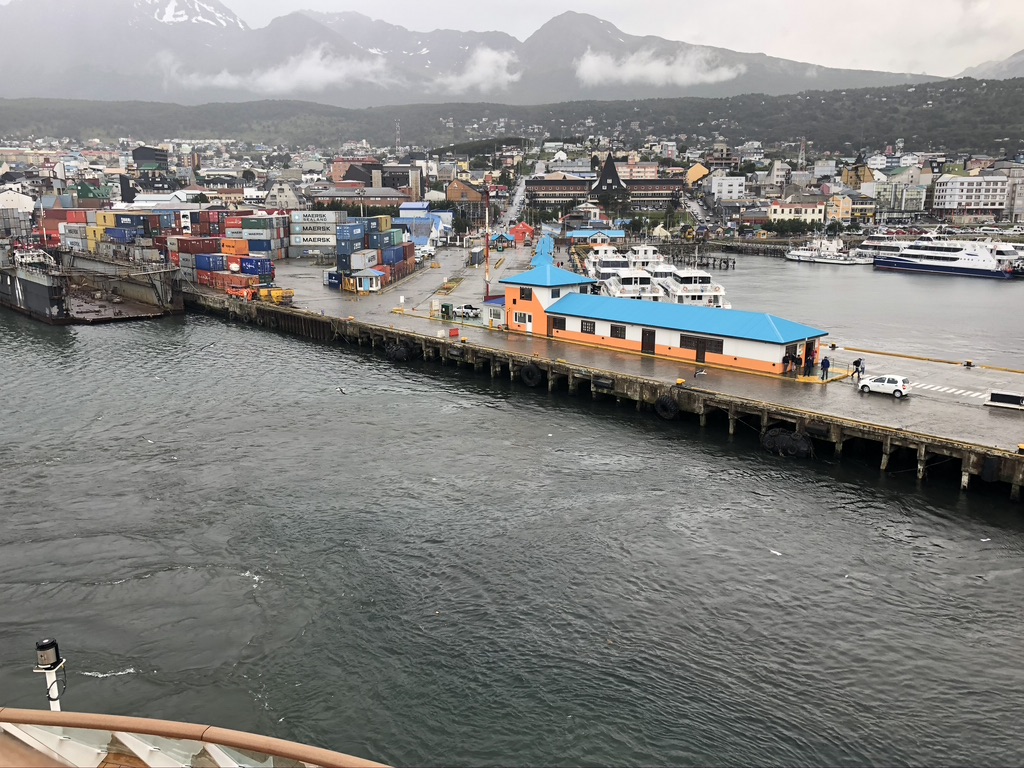
Our family was lucky to book in early for the trip and secured two rooms at the top of the boat which had fantastic views of the water (and later a lot of ice and wildlife). Everyone received a polar fleece liner and a windbreaker with Aurora branding as well as a drink bottle and thermos which was very handy for a much needed coffee after bracing the cold outside.
Before we get too far ahead, I want to outline a few of the ship’s main specs, you can read the rest here. The Greg Mortimer is the first passenger ship to have an Ulstein X-Bow, which cuts through swells exceptionally well, making trips faster, more comfortable and more fuel efficient. Unfortunately its rather unusual shape does encourage a few people to question its aesthetic. But if you suffer from motion sickness like I do, this X-Bow is a saving grace. The boat also carries fifteen zodiacs and you can board them through four specific doors at the rear of the ship which helps to minimise the chaos of a crowd of people excited to spot their first penguin. A pontoon extends from the rear of the ship where the kayakers are dispatched and has a seperate ‘preparation area’ to reduce any confusion. Something pretty cool on board are the hydraulic viewing platforms which can be extended from the side of the ship and provide you with another perspective of viewing your surroundings and capturing the perfect panorama. It’s a significantly smaller ship than most other cruise vessels, in fact it was the smallest commercial passenger boat travelling to Antarctica. There’s about 120 passengers on board so you really do get to know the majority of them, some better than others. It has all the usual ‘necessities’: a gym, sauna, spa, library, a main dining room, large observation decks and a few living areas and bars.
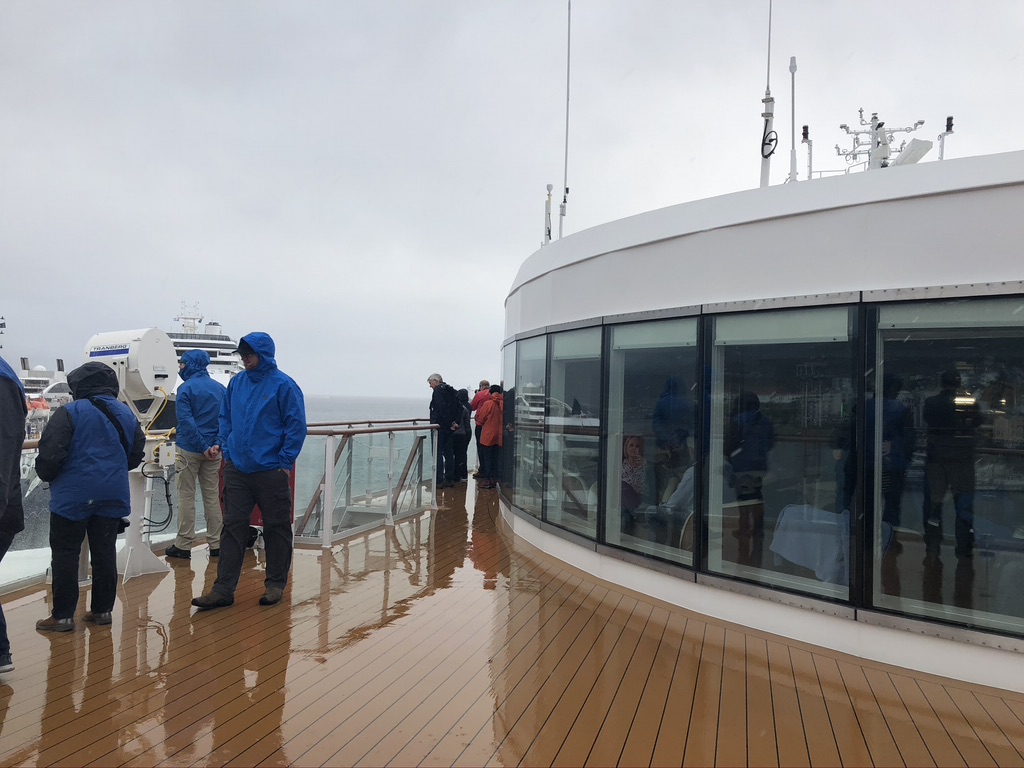
Before we’d finished unpacking our bags we were all called to the front deck to watch the boat leaving port. This was such an exciting moment, it really signalled that we’d reached the pinnacle of our trip and I thought there’d be a huge hoorah. But it was quite quiet, the rope wasn’t even thrown from the dock and it was slowly reeled in by the crew, I guess I forgot that a boat that size can’t move particularly fast. We headed downstairs for a briefing in the lecture theatre. We settled in with a hot thermos of coffee and were given the official welcome, a run down of our schedule and notified that there’d be a safety drill shortly afterwards. The alarm sounded and everyone flooded out of their rooms with a bulky yellow jacket on their shoulders and lined up next to a life raft. They didn’t look all that comfortable, just giant hard plastic capsules packed with people bouncing around in the waves.

During a delicious introductory dinner we met the primary crew onboard as well as the 22 Aurora guides who have extensive backgrounds in history, biology, kayaking, photography and commercial travel. They outlined our route for the week with the caveat that it could all completely change at a moment’s notice if the weather got wild. In fact, not only was there a Plan B, there were likely a handful or two alternate paths we could’ve taken, one day actually saw us reach Plan I. However we were particularly lucky with the weather and only needed to reschedule once or twice.
Following this briefing, the kayakers were asked to stay behind. As a “fit” family that always try to throw themselves into their holidays (proof: climbing active volcanoes the day after an eruption), we were pretty excited about this opportunity. But with the majority of Antarctic action happening on the ice with the penguins, we thought kayaking would only really feature a few times over the week. Oh boy, were we wrong and thank goodness we weren’t the only ones who realised this. Our expert kayaking guides led with an introduction that we would be kayaking two to three times a day, every day, for several hours at a time. The vast majority of ‘paddlers’ as we were affectionately called, negotiated a deal which typically saw us kayak once a day so we could still explore the ice. Depending on the locations we visited, we sometimes paddled twice a day, or not at all – Antartica was quite flexible in that regard. Kayaking was certainly a unique way to explore the world around us and it would’ve easily been my favourite part of the trip if penguins weren’t such funny characters. Look out for the kayaking blog if you’re a keen adventure traveller, in the meantime catch a sneakpeak on Instagram.
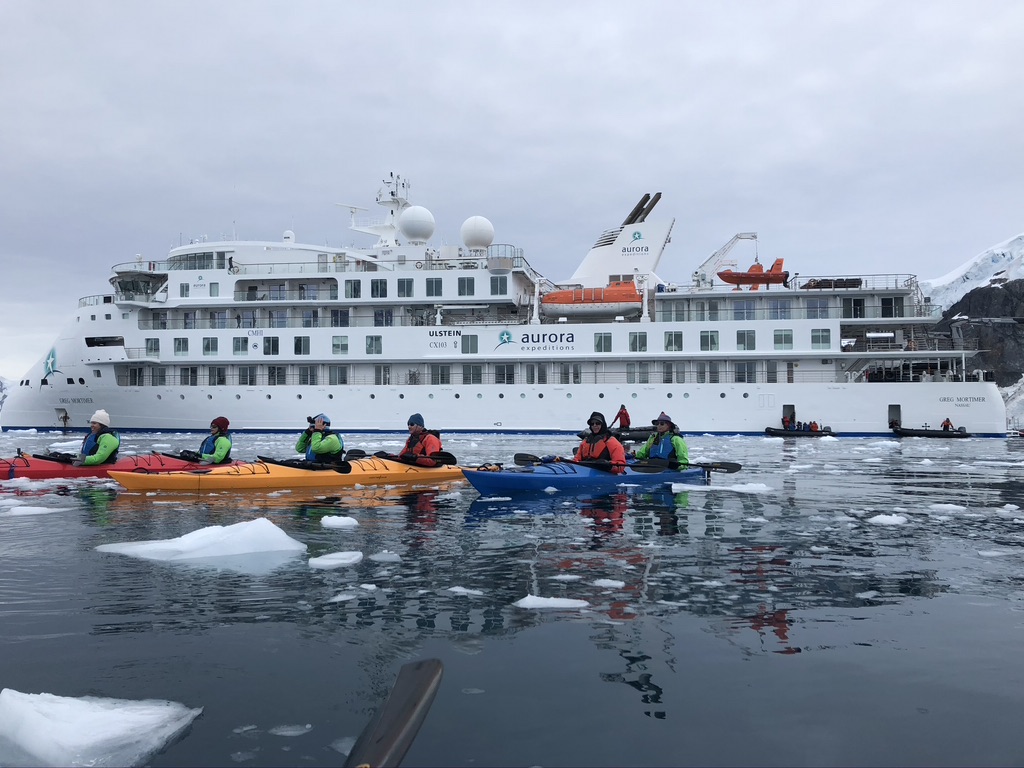
That night we explored the ship and quickly discovered that the Elephant Bar on Deck Eight gave us the best panoramic views of the Beagle Channel and the seabirds. Looking over our shoulders we could see the Argentinean mainland disappearing, it really was clear that civilisation was far behind us now. Keep a keen eye out for the next Antarctic post about our crossing of the notorious Drake Passage!
 Gab Gets Lost