
We went to breakfast that morning still buzzing with the excitement of seeing a puma the night before. Luckily Franchita the deer had survived but she’d clearly had a sleepless night and dozed in the same spot for the rest of our stay. As we suspected, the puma was nowhere to be seen. This was a blessing and a curse because they’re such beautiful animals but we would also be spending most of the day walking in their territory. For more photos from our first day in Torres del Paine National Park, click here.
Explora’s approach to trekking is personalised to each individual and group but there’s also plenty of opportunities to meet fellow adventurers. At the end of each day one guide will sit down with every group and plan their hikes for the following day. They might be half day trips, full day treks, horseback rides or boat or car tours. Explora offers over forty seperate adventures – which is pretty overwhelming – but we had a quick look at them all before we arrived. The guides were great at suggesting hikes in areas we wanted to visit, that were great for wildlife and also matched our fitness levels. We’d already been on holiday for ten days so we weren’t quite prepared to run a marathon or summit Everest. At the start of the day a huge blackboard is hung in the central meeting room with the departure times for everyone’s activities. Some left as early as 7AM – we generally avoided those ones! It wasn’t uncommon to trek with another family or couple but the groups were always smaller than ten people. This kind of set up gave us the opportunity to meet other people who were also keen to explore the bottom of the world.
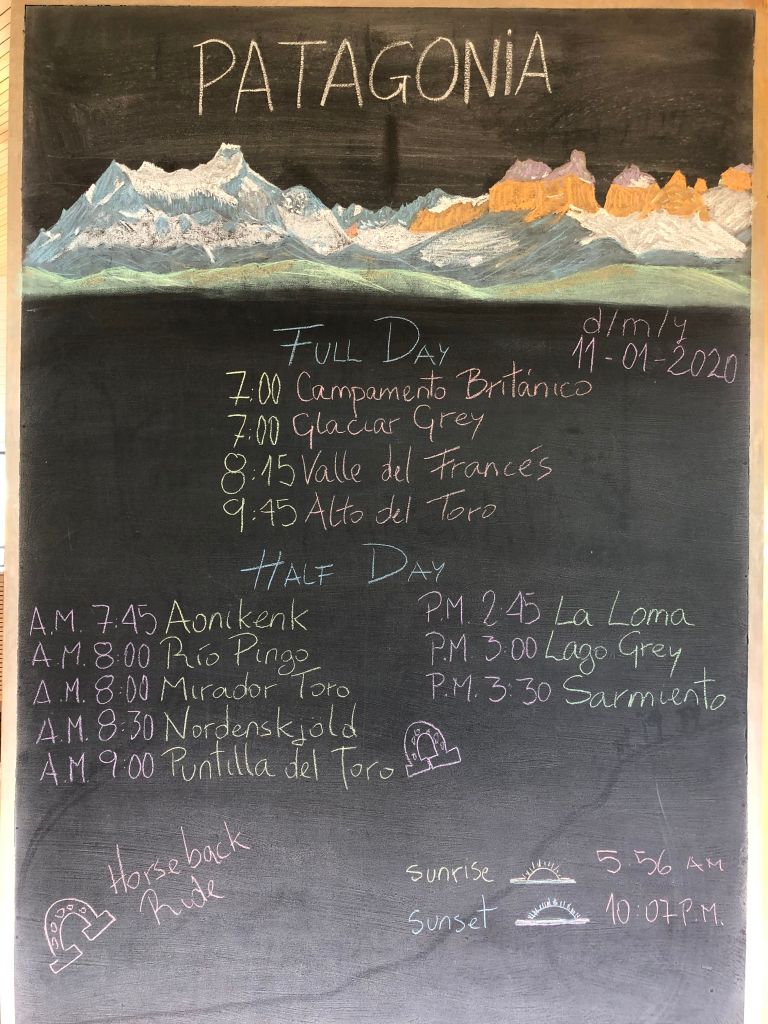
Because the national park is so large, you have to jump in a van or boat to reach your starting point. This is when it was handy to be staying at Explora (the only hotel inside the park) because that cut about two hours of travelling we’d need to be doing every day. It was just the same line of thinking from when we were staying at Iguazú. Explora also has its own boat to take you across the lake to the W treks which is fantastic because the public boat only stops by a couple of times a day.
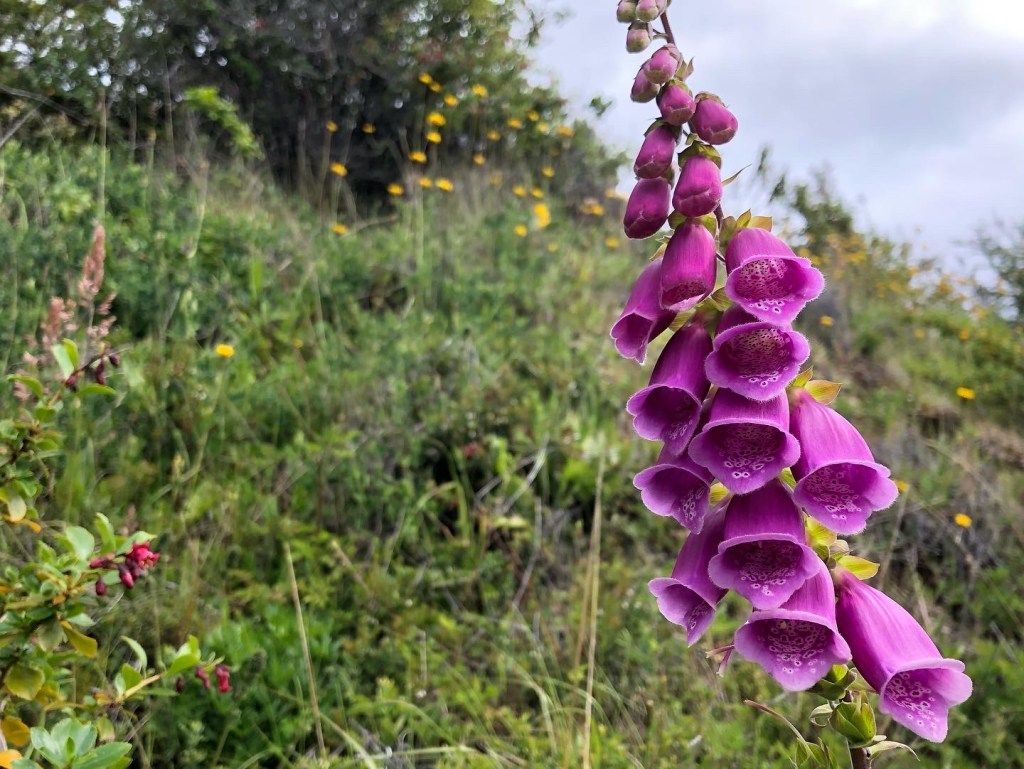
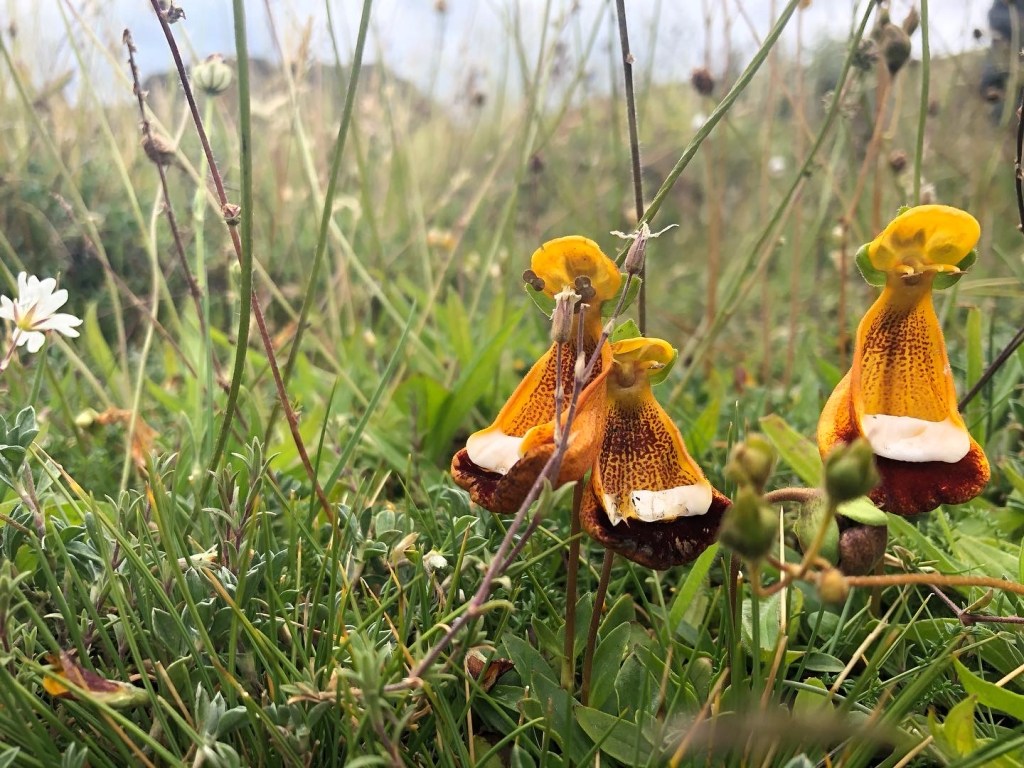
We slept in and met our guide Dani at 8AM to visit a lookout close by. It was only a short hike but the scenery is so beautiful here its hard to get bored. Just like EOLO, Lake Pehoé is fed by glaciers and its clay sediment gives the water a vibrant turquoise colour. We could also see tall snow-capped mountains at EOLO, but the real step up when we reached Explora was that we had been placed right in the middle of the action. The lake was right outside, the Paine Grande is a short boat trip away and there was thick luscious vegetation everywhere. At least ten different species of orchids bloom here as well as other pretty little wildflowers.


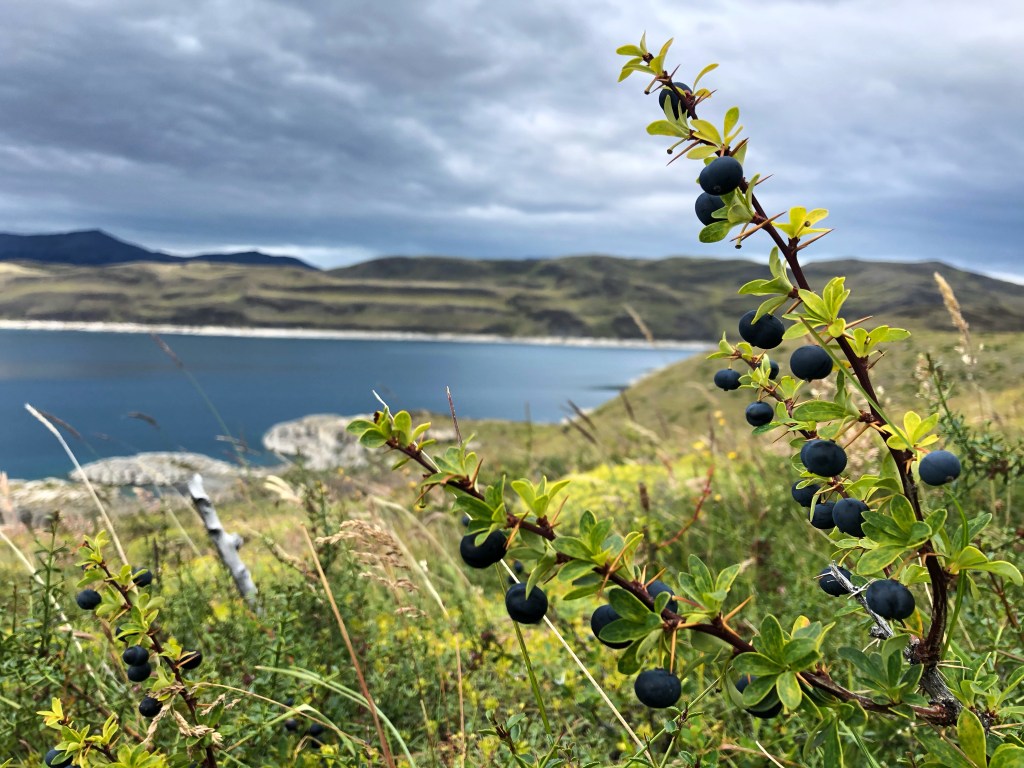
Dani showed us a few different wild berries that we all got to eat. One in particular was the Calafate berry, a slightly smaller version of a blueberry but with plenty of seeds. It’s such an icon that it’s been dubbed the ‘dulce de calafate’, a take on dulce de leche and is made into jams and packed into pastries. Legend has it that once you eat the Calafate berry you will return to Patagonia – sounds like the perfect superstition to me! They were pretty bitter-sweet but it was fun to be able to pick a few as we walked along. I can’t say that they filled me up but I felt a bit like Bear Grylls being resourceful in the world’s harshest places.
That afternoon we set off on a longer hike around Lake Sarmiento which was a much deeper blue. Patagonia is often said to experience four seasons in a day. I’m not sure what basis this has in science but there’s quite a bit of truth behind it. We’d been lucky with beautiful clear blue skies earlier but today had become progressively cloudy, windy, dark and stormy. We always felt a bit discombobulated because the guides suggested we shouldn’t follow the weather reports too closely. So our backpacks were stuffed with thermals, polar fleeces, puffer jackets (Kathmandu of course), wind breakers, waterproof pants, hiking pants, gloves, neck warmers, beanies and caps … it was a lot and in the end the weather was fairly warm so we were constantly shedding layers until the cool wind picked up again.
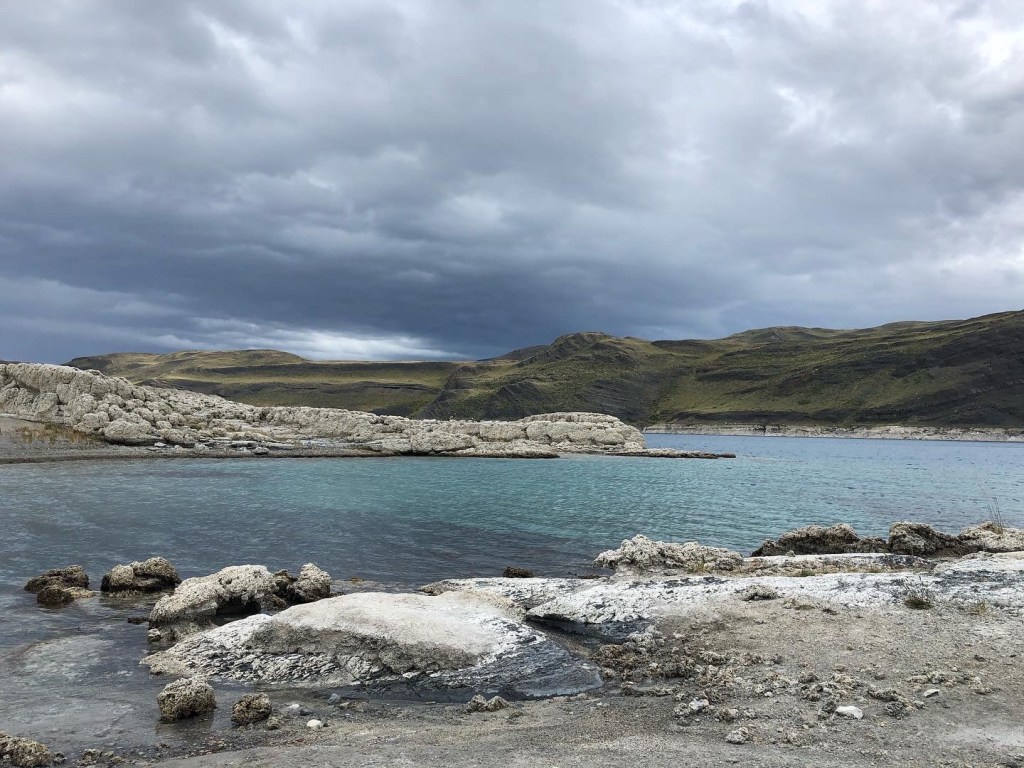
We arrived at Lake Sarmiento and Dani helped explain the odd white mounds surrounding the water. Cyanobacteria in the water helps create calcium carbonate (the same structure that coral reefs like the Great Barrier Reef are made from) and as the water evaporates and the lake shrinks, a growing white ring is revealed. These lakes can be hundreds of metres deep so when the water recedes the calcium carbonate looks like a maze. This is another dangerous scenario for a girl without a sense of direction. I was also told that pumas like to hide their cubs in the caves here and the carcasses of their prey. This was definitely an incentive to make sure I stuck with the group! Somehow I made it out alive and I was almost happy to admit that I didn’t see a puma because I don’t like my chances against them!

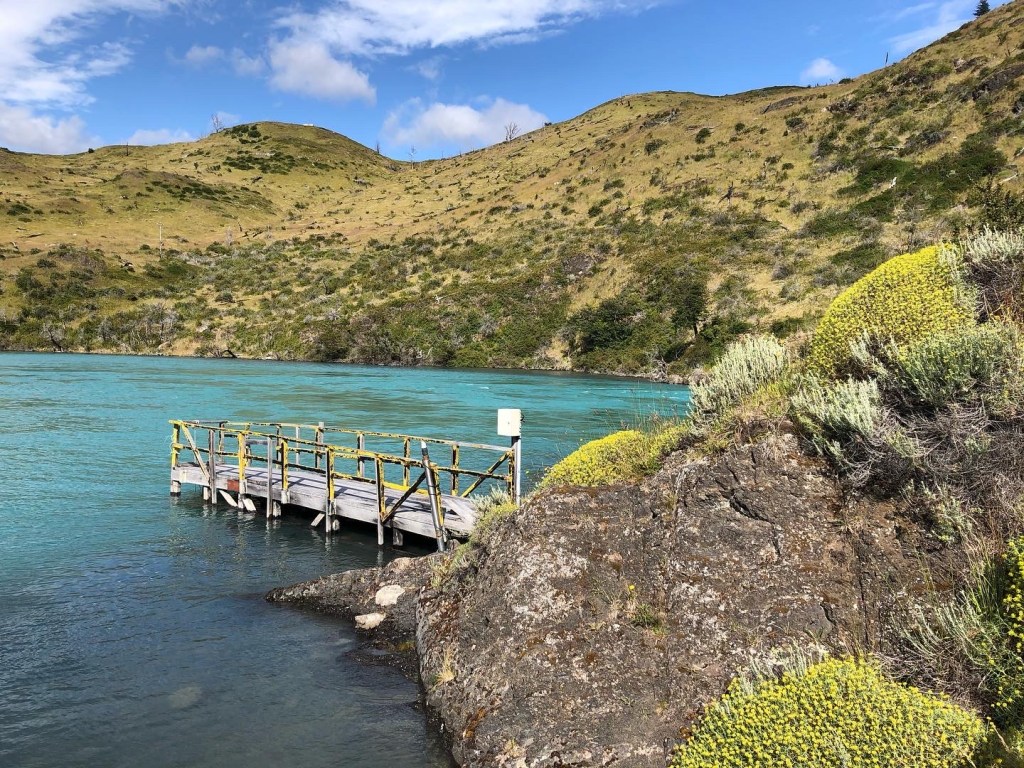
There’s a secret internal challenge at Explora and that is to run off the jetty and jump into a freezing lake full of glacial water. Not in the least bit competitive, I headed straight down to the water as soon as we returned from our hike. A group before us had gone in four times so the only logical move would be for me to jump in five. The water was five degrees cold and it really smacked the breath out of you as soon as you hit it. The ordeal was all over in a few minutes but I certainly needed the half hour in the spa afterwards with a glass of champagne to recuperate.

That evening we planned a full day hike for the following day. A different guide would take us up to an area in the Paine Grande called the French Valley (actually named after a Belgian). We were looking forward to having lunch out in the wild and hiking part of the famous W trek, certainly a bucket list item. Look out for my next post as I cover another spectacular day in Patagonia!
 Gab Gets Lost